


Microstop Vacuum Skirts: FOD Extraction When Countersinking
Last updated October 2, 2026A countersink or drill operation leaves chips and shavings on any work surface. On an open bench that is a minor cleanup. Inside an aircraft structure it is a serious problem.
These chips, shavings and dust are FOD, foreign object debris. In aerostructure assembly, where parts go together at tight tolerances, loose debris can compromise the integrity of the assembly. It is also a health risk for the people doing the work, especially with carbon fiber dust.
The fix is to extract the FOD before it can cause harm. In countersinking, a microstop countersink cage fitted with a vacuum skirt does exactly that.
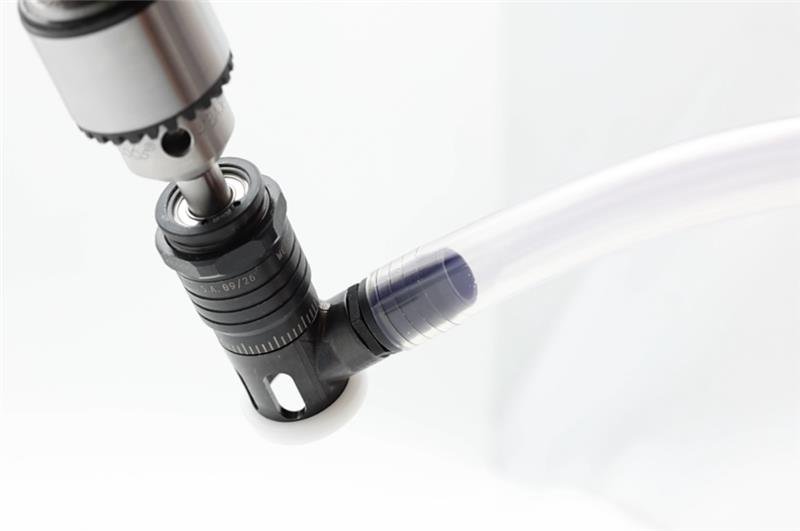
A vacuum skirt replaces the standard skirt on the microstop and adds an exhaust port that connects to a standard shop vacuum. Chips are pulled away and captured as they are cut, instead of falling into the structure.
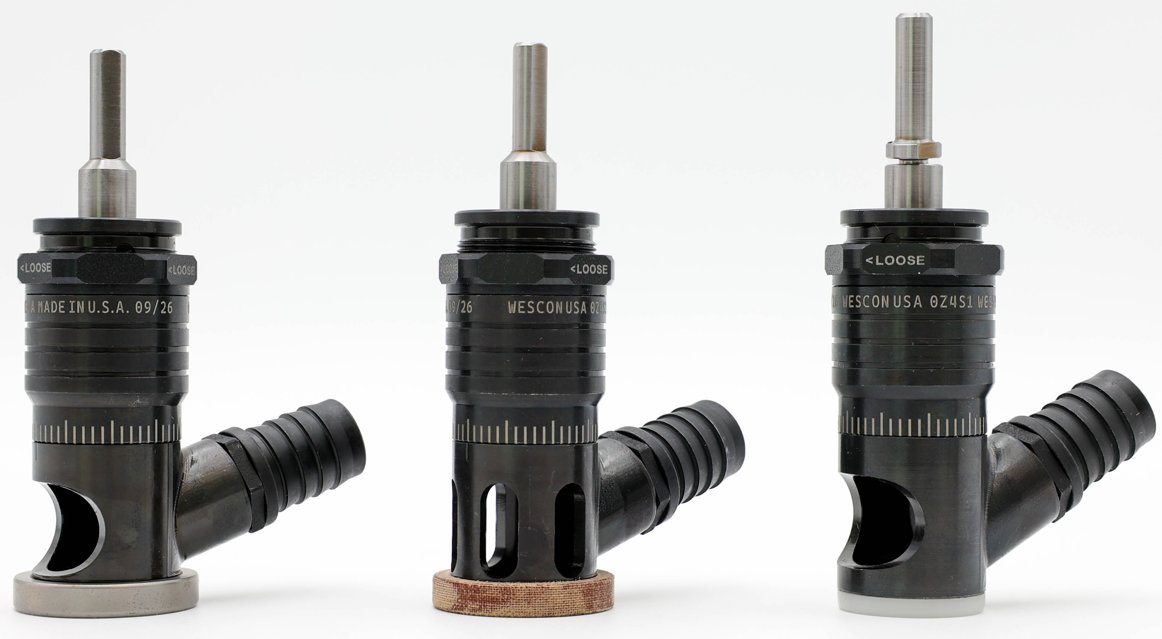
Available vacuum skirt styles
Choosing a vacuum skirt mostly comes down to preference. Three things to consider before you pick:
- Window style
- Footpiece material
- Exhaust adapter configuration
Window options
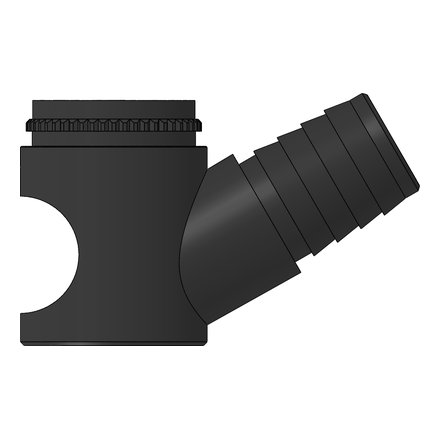
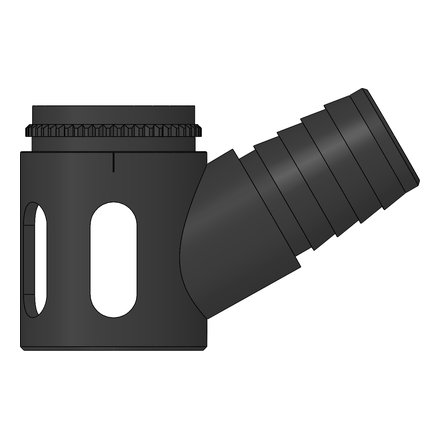
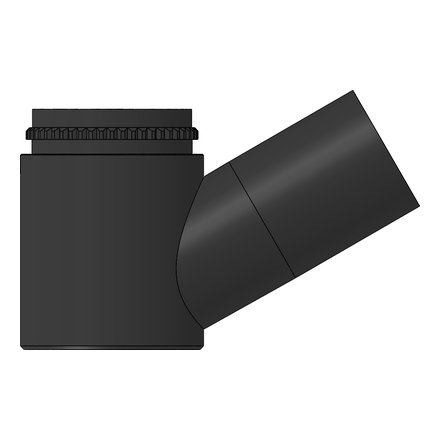
- Large window: the standard choice for any countersinking operation.
- Slotted window: a safety feature that keeps fingers away from the cutter while it is running.
- No window: made for a custom requirement where the job called for complete chip extraction, leaving no room for FOD to reach the work surface or the area around it.
Footpiece material
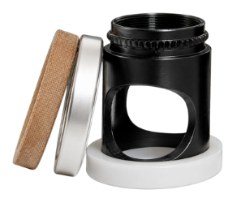 The footpiece is the part that touches the work surface, so choosing the right one matters. Some jobs do not need a footpiece. Others need one to keep the microstop from marring the surface while countersinking.
For a full breakdown of footpiece materials and how to pick one, read How to Prevent Surface Marring During Precision Countersinking.
Exhaust adapter configuration
Most vacuum skirt adapters on the market are fixed and do not rotate. The hose can twist and lock up as you move, which makes the tool awkward to work with.
To fix this, Wescon vacuum skirts come with a ridged, rotating adapter.

The reasoning behind this design:
- Ridges: built for flexible hose with a standard 0.6" inner diameter. The ridges anchor the hose and hold it against moderate tugs, with no clamps or ties needed to lock it down.
- Rotating adapter: lets you move freely without the hose twisting or kinking, for better mobility on the shop floor.
Choosing your vacuum skirt
Choosing the right vacuum skirt comes down to two things: the skirt style, and the exhaust configuration that fits how you work. Get those right and FOD stays out of the structure, with no change to how you drill or countersink.
Ready to add chip extraction to your setup? Browse our microstop countersink cages and select "Yes" under the Vacuum Adapter filter to see the vacuum options. For other questions, contact our engineering team.
Related


Wescon is a brand of GI Corporation. Our products are sold in the European Union through GI Europe B.V. (KVK# 99685124) based in the Netherlands.

